Restore a brighter, more rested look with upper blepharoplasty at Maan Plastic Surgery. This procedure addresses heavy, hooded eyelids, visual obstruction, and asymmetry caused by excess skin. The goal is to restore refined eyelid contours, improve the field of vision, and achieve a natural, refreshed expression that aligns with your facial anatomy and harmony.
Improve Eyelid Contour and Eye Openness
Upper blepharoplasty is a surgical procedure that removes or repositions excess skin and soft tissue from the upper eyelids. Over time, aging and genetics can cause the eyelids to appear heavy, droopy, or tired, and in some cases, interfere with vision. This procedure helps restore a smoother, more open eyelid contour while preserving your natural eye shape.
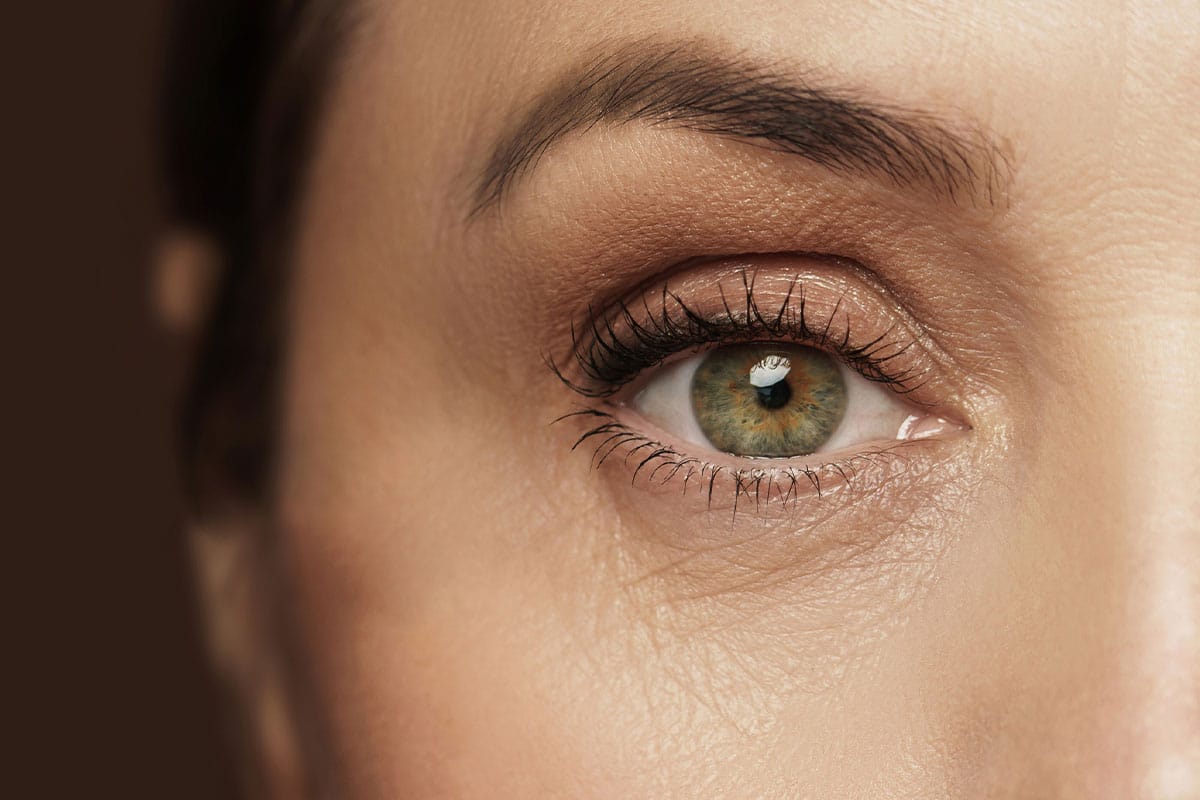
Upper Blepharoplasty Corrects:
- Excess upper eyelid skin that creates a heavy or hooded appearance
- Eyelid drooping that contributes to a tired or aged look
- Visual field obstruction caused by redundant eyelid skin
- Asymmetry between the upper eyelids
- Crease definition loss in the upper eyelid
- Discomfort or eye strain related to heavy eyelids
Your Upper Blepharoplasty Session
Your upper blepharoplasty begins with a detailed evaluation of your eyelid skin, muscle tone, fat distribution, and natural crease height. Dr. Maan carefully measures the amount of excess skin contributing to heaviness or visual obstruction. Before surgery, precise markings are made to map the skin segment to be addressed. The procedure is commonly performed under local anesthesia with sedation.
Dr. Maan makes a fine incision along the natural upper eyelid crease. Excess skin is conservatively removed, and underlying muscle or protruding fat is adjusted only when it contributes to fullness or weight. The incision is then closed with fine sutures that help support smooth healing. This procedure restores eyelid definition and openness while maintaining natural movement and facial balance.
Candidates for Upper Blepharoplasty:
- Individuals with excess upper eyelid skin or hooding
- Those experiencing a tired, heavy, or aged eyelid appearance
- People whose upper eyelids interfere with peripheral vision
- Patients seeking improved eyelid symmetry and definition
- Individuals in good overall health with realistic goals
- Those looking for subtle, natural-looking eyelid refinement

Your Journey to Recovery: Side Effects & Downtime
After upper blepharoplasty, you can expect temporary swelling, bruising, and mild tightness around the upper eyelids. These side effects are most noticeable during the first few days and gradually improve over the first one to two weeks. Your vision may feel slightly blurry at times due to ointment use or swelling, but this resolves as healing progresses. Keeping your head elevated and using cold compresses as directed can help reduce swelling and discomfort.
Downtime is generally manageable, with many patients returning to non-strenuous activities within several days. Sutures are usually removed within the first week, and bruising can often be concealed with makeup. You’ll be advised to avoid heavy lifting, intense exercise, and excessive eye strain during the early healing phase, which typically lasts 4 to 6 weeks. As swelling continues to subside, your eyelids settle into a smoother, more refreshed contour.
Schedule Your Consultation With Dr. Maan
Dr. Maan is a board-certified plastic and reconstructive surgeon with advanced training from Stanford University and extensive experience in facial and eyelid surgery. During consultation, you’ll receive a thorough evaluation of your eyelid anatomy, concerns, and goals, along with a clear explanation of treatment options and outcomes. Each plan is tailored to support natural balance and long-term results. If you’re considering upper blepharoplasty, schedule a consultation with Dr. Maan to explore whether this procedure is right for you.